Commercial Catering Kitchen Rental
Flexible Arvada production space for Denver-area caterers and event teams.
For caterers and event producers
Production Space That Can Follow the Event Calendar
Catering volume changes from week to week. A tasting, a small corporate delivery and a multi-event weekend can each demand a different mix of prep space, cooking capacity, refrigeration and staging. A useful commissary has to support that rhythm without forcing the business into more space than it needs every day.
Rocky Mountain Commissary offers flexible commercial kitchen arrangements in a 12,000-square-foot Arvada facility. Caterers can discuss hourly use, recurring production schedules and longer-term options, then align the arrangement with their event calendar and staffing plan.
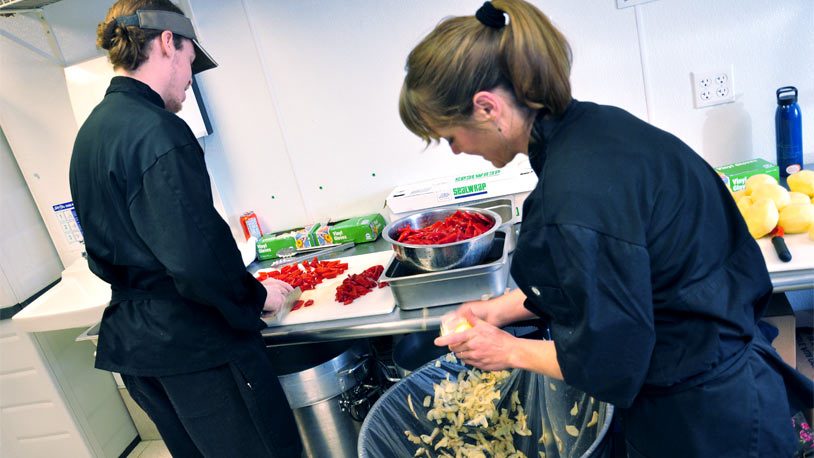
The facility combines hood-equipped kitchens with ovens, kettles, mixers, cold and dry storage options, cleaning equipment and loading access. During a tour, RMC can help you walk through a real event workflow—from ingredient receiving to final load-out—and identify the questions that still need confirmation.
Support the Full Event-Production Cycle
Plan the kitchen around the way your team actually prepares and delivers.
Batch Cooking
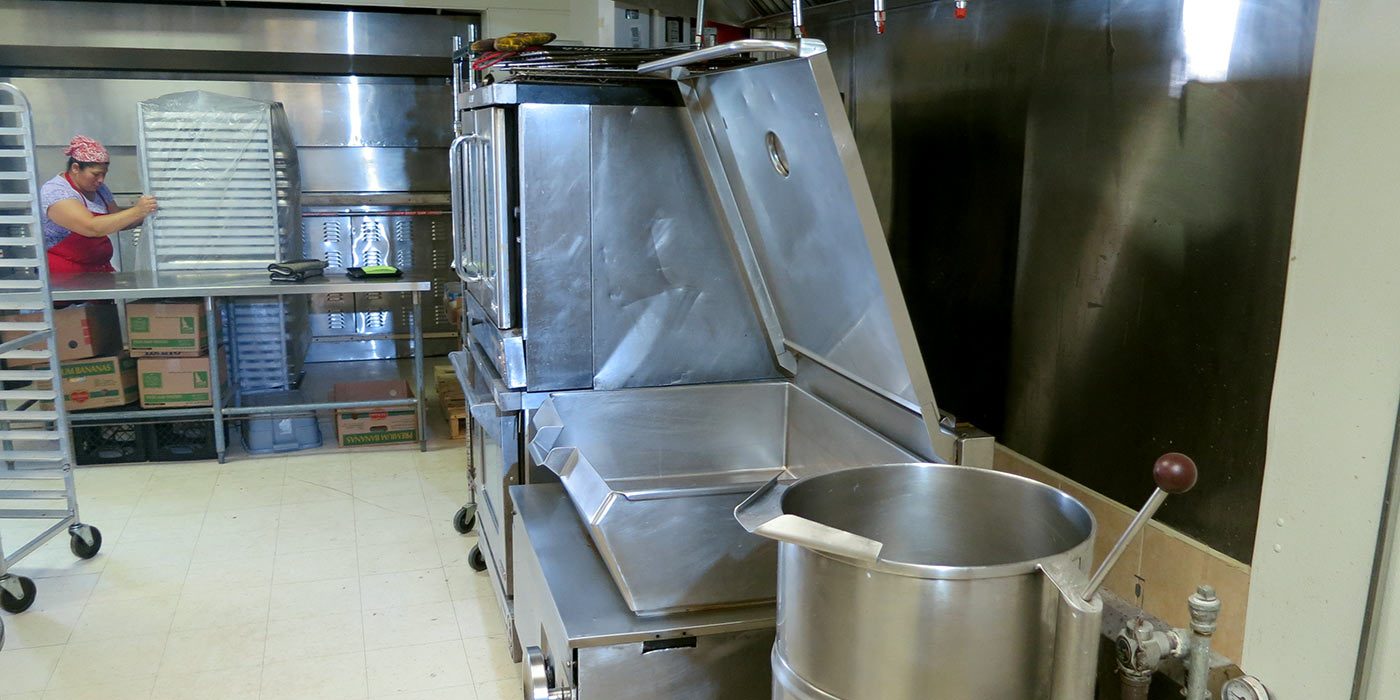
Use confirmed ranges, ovens, steam kettles, mixers, steamers, char-broilers, flat tops or tilt skillets for the high-volume steps in your menu.
Cold and Dry Storage
Discuss refrigerated, freezer, dry and lockable storage needs in relation to deliveries, advance prep, event staging and leftovers.
Staging and Load-Out
Map the movement of sheet pans, hotel pans, smallwares, disposables and transport equipment so event-day loading is orderly and complete.
Capacity for Different Menus
RMC lists more than 100 feet of Class I hood space across 13 kitchens, plus approximately 2,000 square feet of refrigeration and freezer space. The equipment inventory includes 16 convection ovens, Revent and Baxter ovens, 10- to 80-gallon kettles, and 10- to 60-quart mixers.
Those numbers help with early planning, but the meaningful question is whether the specific equipment, workspace and time window fit your menu and event volume. Bring a production list to the tour so the team can discuss real batch sizes, holding needs and station flow.
Equipment and storage are shared resources. Availability, setup and product-specific requirements must be confirmed before an event is scheduled.
Plan Around an Actual Event
- Work backward from service.List the event time, travel, setup and safe holding requirements, then establish the final load-out deadline.
- Build the production schedule.Separate advance prep, cooking, cooling, finishing and packing into realistic station and staff assignments.
- Match equipment and storage.Confirm the required batch sizes, utensils, refrigeration, freezer, dry storage and cart or rack movement.
- Close the loop.Plan receiving, cleaning, waste handling, return trips and the storage of approved items between events.
What to Bring to the Tour
- A sample menu and expected guest-count range
- The largest batch for each cooking method
- Typical delivery days, prep windows and event load-out times
- Cold, frozen, dry and lockable storage estimates
- Staff count and simultaneous work-station needs
- Special handling, allergen-control or cleaning questions
- Vehicle, receiving and loading requirements
RMC can discuss the facility and rental fit. Caterers remain responsible for confirming current licenses, permits, insurance, food-safety procedures and event-jurisdiction requirements with the appropriate authorities and advisers.
Walk Through Your Next Event
Schedule a tour and bring a real menu, batch plan and load-out deadline so the conversation stays practical.