Packaged Food Production Kitchen
Commercial production space for testing, refining and scaling repeatable batches.
For packaged-food and beverage producers
Move from a Good Recipe to a Repeatable Process
Producing for sale changes the job. A recipe has to work at a larger batch size, ingredients and packaging have to arrive on time, yields must be measured, and finished product needs an organized path into storage or distribution. The most useful kitchen is one that supports that repeatability while the business learns.
Rocky Mountain Commissary provides commercial production space in Arvada for food entrepreneurs at different stages—from early market tests to recurring production schedules. The facility houses 13 kitchens, approximately 2,000 square feet of refrigeration and freezer space, dry storage options and a broad set of batch-production equipment.
RMC can help you evaluate the physical fit of a proposed workflow. Product approvals, process authority review, labeling, licenses and sales-channel rules depend on the product and should be confirmed with the appropriate agencies and professional advisers.
Design the Production System, Not Just the Batch
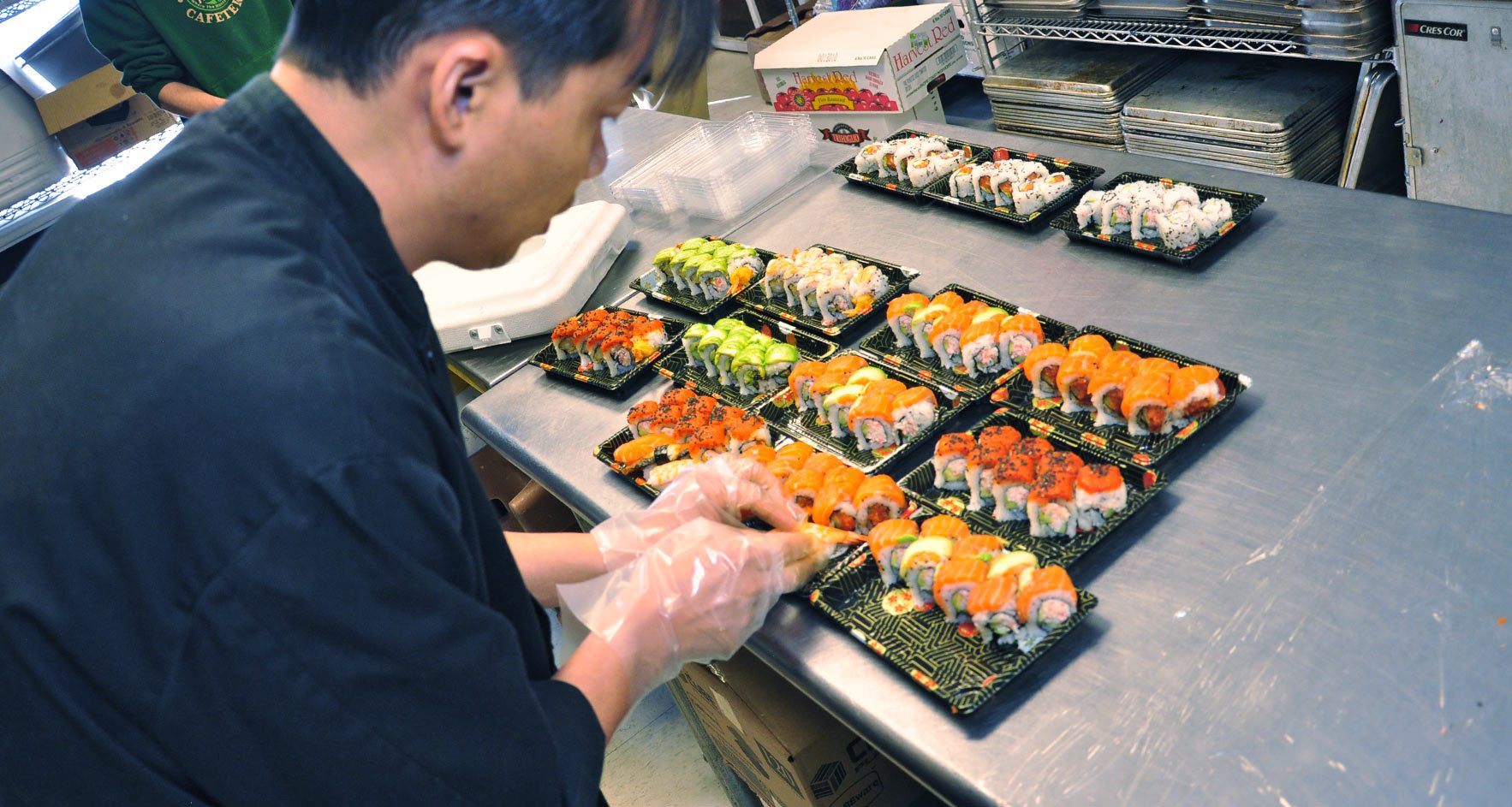
Look at the complete movement of ingredients, people, packaging and finished inventory.
Scale the Process
Translate the bench recipe into documented weights, times, temperatures, yields and quality checks that a production team can repeat.
Match the Equipment
Confirm mixer, kettle, oven, range, steamer or other capacity against the intended batch—not just the first test.
Plan Inventory Flow
Account for ingredient receiving, packaging storage, work-in-process, cooling or holding, finished goods and the next distribution step.
Batch Equipment and Storage
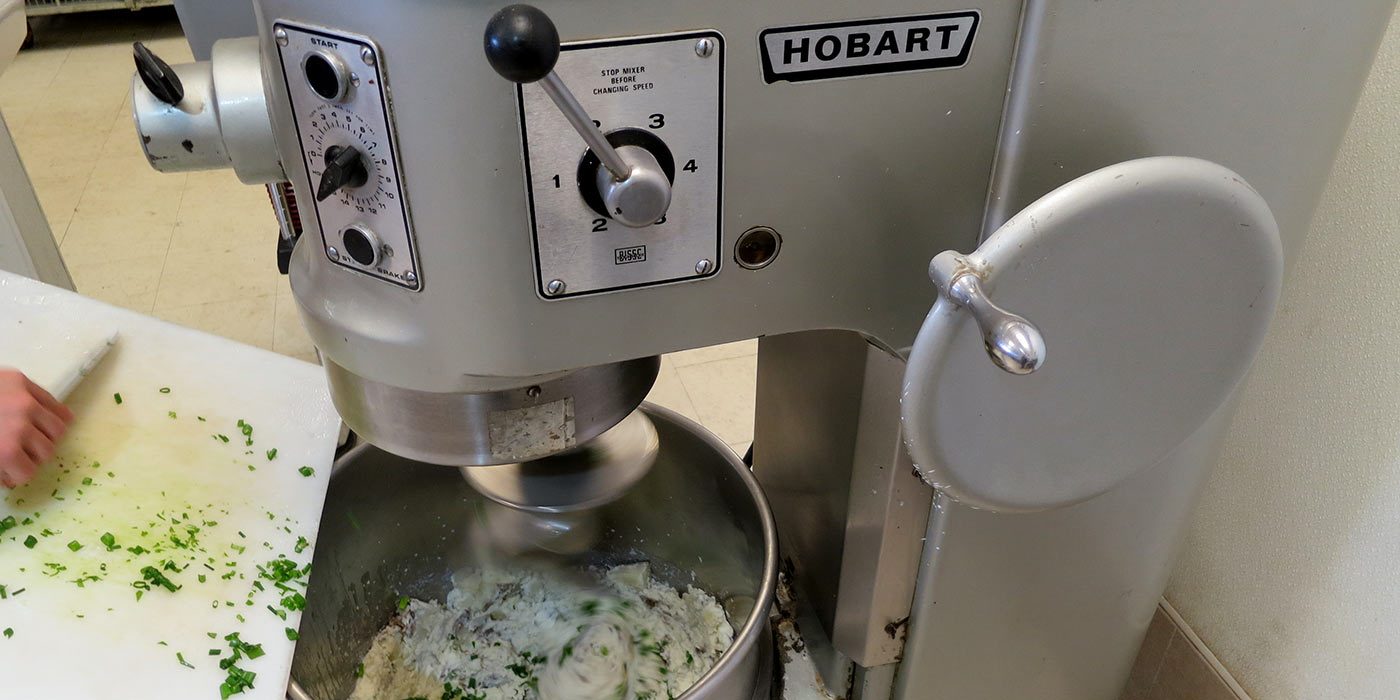
RMC lists 10-, 40- and 60-quart mixers; 10-, 20- and 80-gallon steam kettles; 16 convection ovens; Revent and Baxter ovens; ranges; flat tops; char-broilers; steamers; tilt skillets; a dough sheeter; and three dishwashers.
The facility also lists dry, refrigerated and freezer storage, lockable cabinets and a dedicated gluten-free kitchen. If allergen controls or a particular certification are essential to your product, do not rely on the label alone—ask RMC to explain current policies, scheduling and separation practices, then confirm that approach against your own regulatory and customer requirements.
Equipment, storage and production windows are shared. Confirm availability, permitted use, cleaning requirements and fit before finalizing a process or customer commitment.
From Test Batch to Repeatable Production
- Define the first saleable unit.Set the package size, target channel, expected shelf or holding conditions and a measurable launch quantity.
- Map one complete batch.Document ingredients, equipment, labor, yields, process controls, packaging, cleaning and storage from receiving through finished goods.
- Run and record a controlled test.Compare expected and actual times, yields, waste and quality. Revise the process before increasing volume.
- Build the recurring schedule.Coordinate ingredient and packaging lead times with kitchen reservations, storage capacity, staffing and customer delivery dates.
Bring a Production Brief to the Tour
- Product type, package size and intended first sales channel
- Current recipe yield and target batch size
- Required mixing, cooking, baking, cooling or holding equipment
- Ingredient, packaging and finished-goods storage estimates
- Expected production frequency and staff count
- Allergen-control, sanitation and cleaning questions
- Open questions about licensing, process review, labeling or insurance
A short written brief makes it easier to identify which issues RMC can answer directly, which details require a facility-specific follow-up and which requirements belong with a regulator or specialist.
Bring the Process. See the Production Space.
Schedule a tour to compare your proposed batch workflow with the facility, equipment and storage options.